


Readings, not adjectives
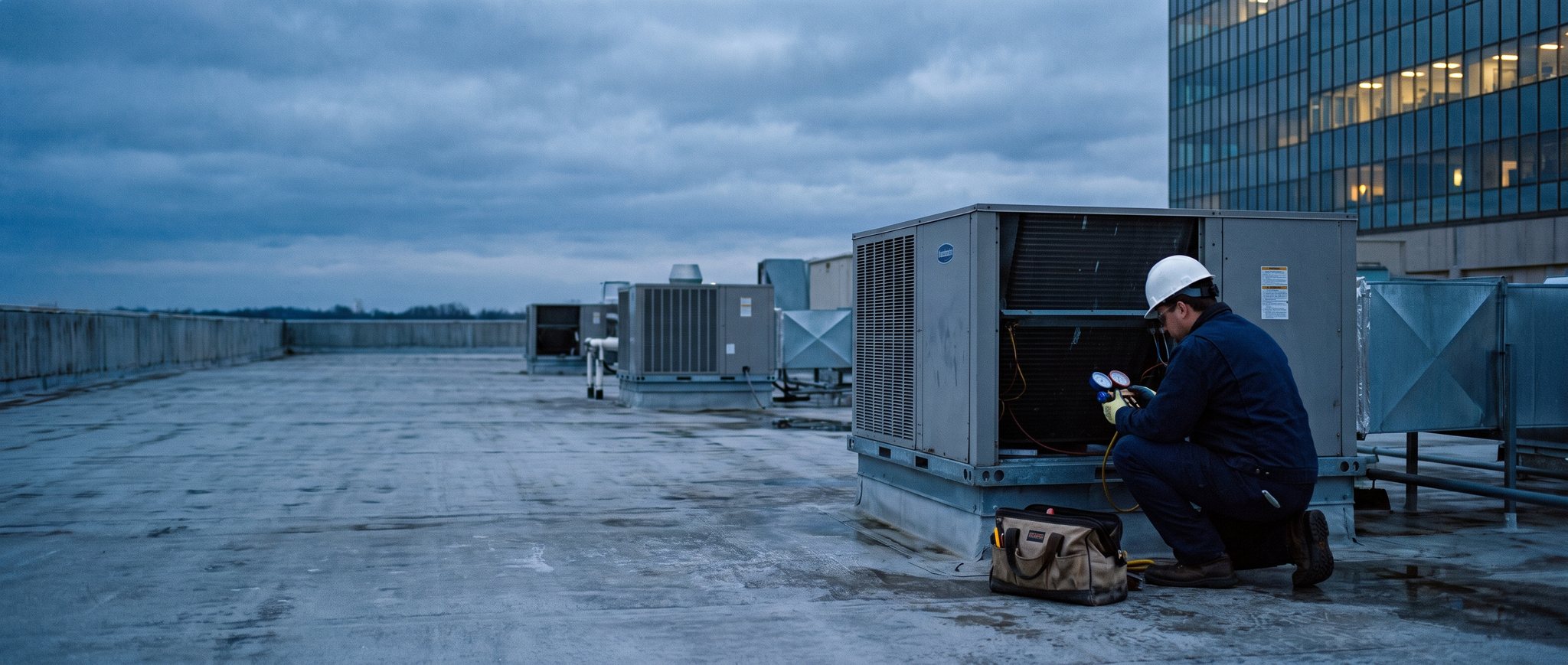
Pressures, temperatures, amp draws and static pressure recorded per unit, so the next technician starts from data instead of starting over.
Commercial HVAC, coast to coast
Office split systems and ductless units, VRF, rooftop packages, heat pumps, furnaces and central chiller plants.
Kelvin Mechanical is a dispatch and account desk sitting on top of a network of licensed local mechanical contractors. You deal with one company, one scope and one invoice format. The truck that arrives is licensed in that state.
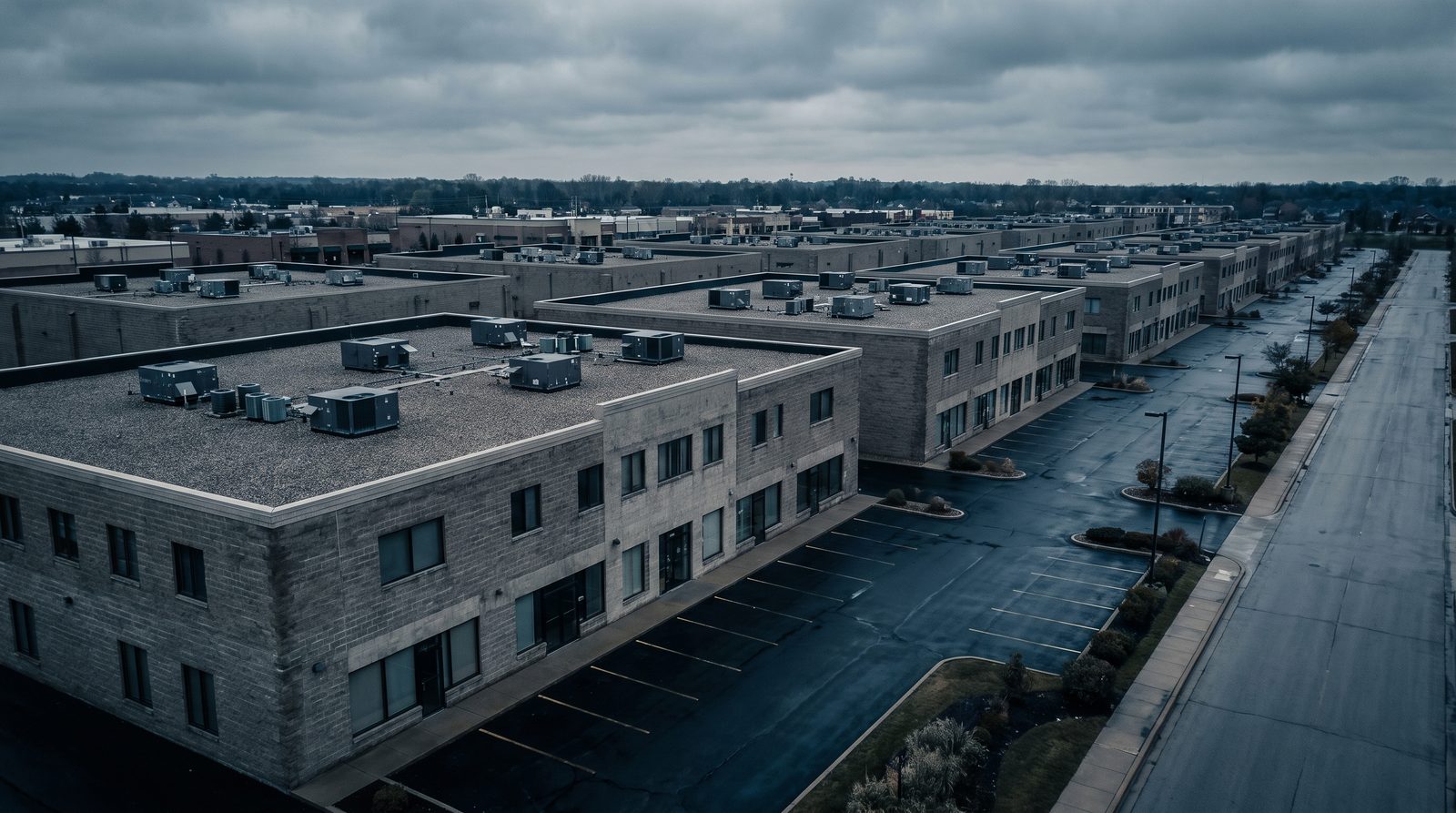
Most commercial buildings in the country run on packaged rooftop equipment. It fails in predictable ways, so it can be serviced on a predictable schedule.
What we service
Seven service lines, each with its own scope and its own schedule. Pick the one that matches what the building needs.
A written visit schedule built around your equipment list, your occupancy hours and your budget cycle.
One number, answered by a person, any hour.
Packaged rooftop units carry most commercial buildings in the United States, and they fail in predictable ways.
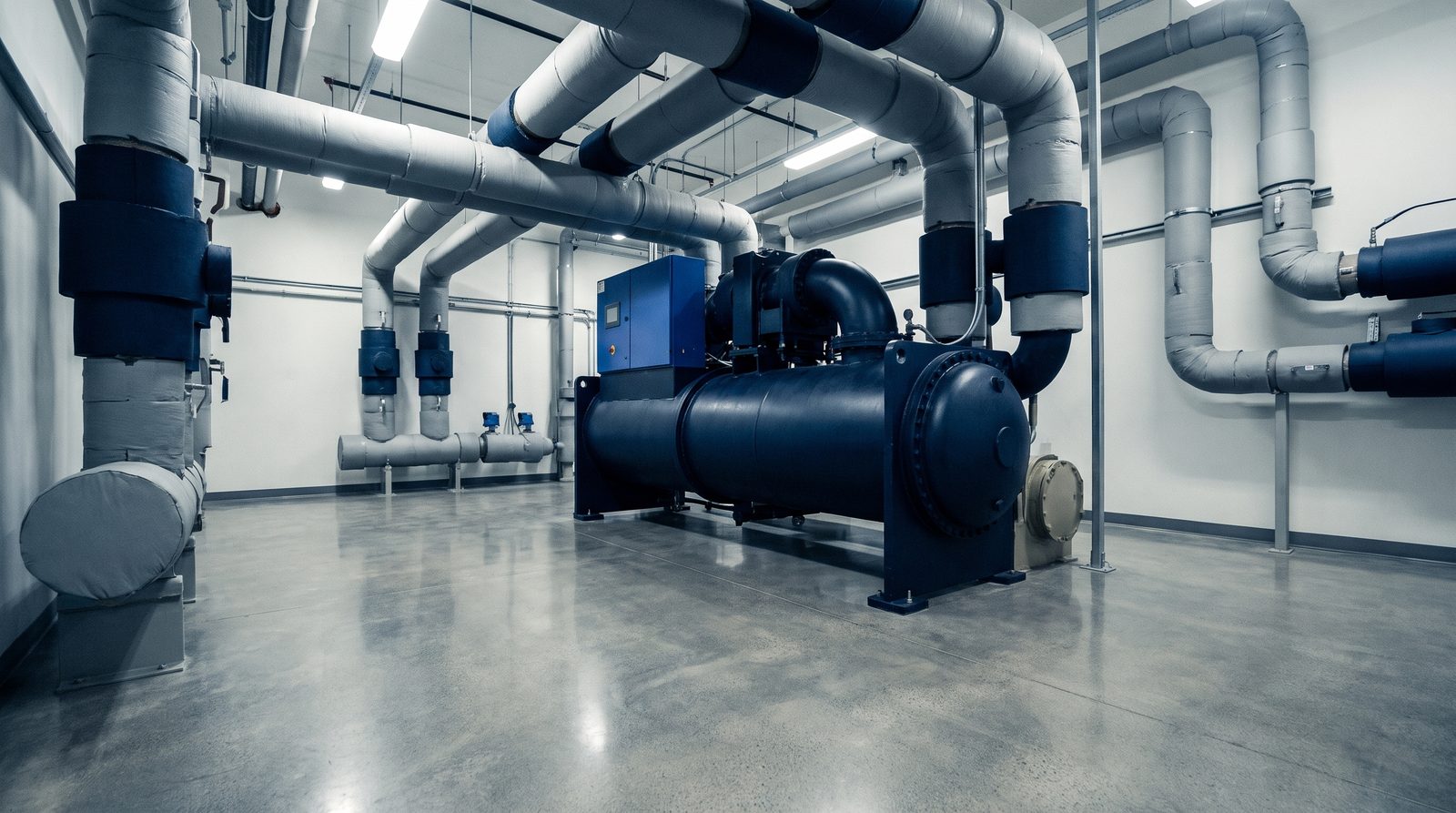
Central plant work needs technicians who have opened the machine before.
Air quality complaints are usually a ventilation or humidity problem wearing a different name.
Putting in new equipment is a project, not a service call.
Not every office runs on a rooftop unit.
Heating and cooling, small and large. If it conditions air in your building, it is on this list, and the technician sent to it is certified on that class of equipment.
Equipment not listed here is still worth a call. Tell us the nameplate and we will say yes or no honestly rather than send someone to learn on your building.
The wall and ceiling cassette units on individual offices, server closets and conference rooms.
One outdoor unit feeding many zones, with controls that need a technician who knows the brand.
The workhorse of most commercial buildings in the country, from single units to full fleets.
Central plants, pumps, cooling towers and the loop that ties them together.
Air source and water source, including the changeover faults that only show up in shoulder season.
Heat exchangers, ignition, combustion safety checks and the winter no heat call.
Belts, bearings, coils, drain pans and the balance problems that cause zone complaints.
Server rooms and MDF closets, where humidity matters as much as temperature.
Restroom and kitchen exhaust, make up air units and outside air compliance.
Four steps, every call, whether it is a contract visit or a compressor down at nine on a Sunday night.
Two minutes on the form or one call. Address, equipment if you know it, and what the building is doing wrong.
Before anyone is dispatched you have the diagnostic fee, the arrival window and the name of the contractor assigned.
The technician diagnoses on site and sends you the cause, the photographs and a fixed repair price for approval.
The repair is completed after your approval, and the report is filed against the site so the history follows the building.
How we stay cheaper
We do not publish a price list, because a rooftop unit in Phoenix and a chiller in Chicago are not the same job. We publish the policies that decide what your invoice looks like.
One quoted fee covers travel and diagnosis, and it comes off the repair when you approve the work. No hourly clock running while a technician walks the roof.
The supplier invoice is attached to yours. Our margin sits in the labour line where you can see it, not hidden inside a part number you cannot price check.
Contract sites pay the same diagnostic rate at two in the morning as at two in the afternoon, and pay no trip charge on scheduled visits.
Parts billed at supplier cost with the invoice attached. Your exact rates are set in the proposal after the walkthrough, and they are fixed for the contract term.
The deliverable is documentation. It is what turns a repair into something you can budget, defend and hand to an owner.
Pressures, temperatures, amp draws and static pressure recorded per unit, so the next technician starts from data instead of starting over.
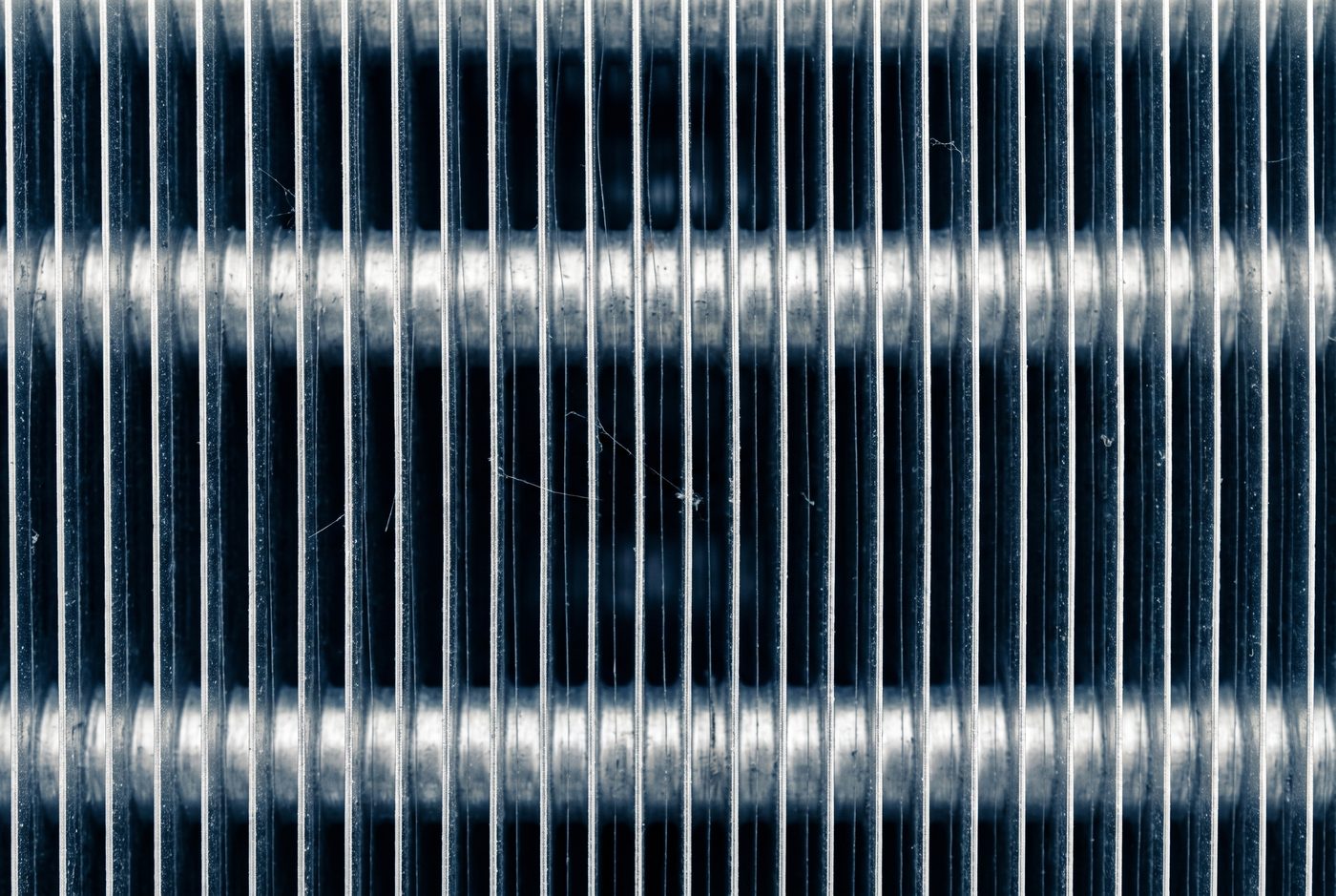
Before and after images attached to the invoice. You can see the failed component without climbing onto a roof.
Model, serial, tonnage, install year and condition per unit. When your facilities lead changes, the building history does not leave with them.
Start here
Dispatch reads every request. If it reads as an emergency it is treated as one, and someone calls you rather than emailing you.
Dispatch answers 24 hours a day, seven days a week
Yes. Kelvin Mechanical coordinates a network of licensed local mechanical contractors. Dispatch, scope, reporting and billing are handled centrally, and the physical work is performed by a contractor licensed in that state.
A flat rate quoted to you before a technician is dispatched. It covers travel and the diagnosis, and it is credited toward the repair when you approve the work. There is no separate trip charge on top of it.
Three policies. Parts are billed at supplier cost with the invoice attached instead of marked up. Contract sites pay no after hours premium and no trip charge. Diagnostics are a flat rate rather than an open hourly clock.
The arrival window is confirmed on the call, before dispatch, based on your location and the current crew position. We quote a window we can hold rather than a number that sounds good on a website.
No. One off repair calls are welcome. Contract sites get priority scheduling, no trip charge and no after hours premium, which is why most multi building clients move onto an agreement after the first year.
The contractor performing the work holds the mechanical license required in that state, and carries general liability and workers compensation coverage. Certificates are provided per site before the first visit.